Considering a Vegan Diet—for Animals and the World
The 12 points below provide the fuller context.
1. Respecting animals as sentient beings
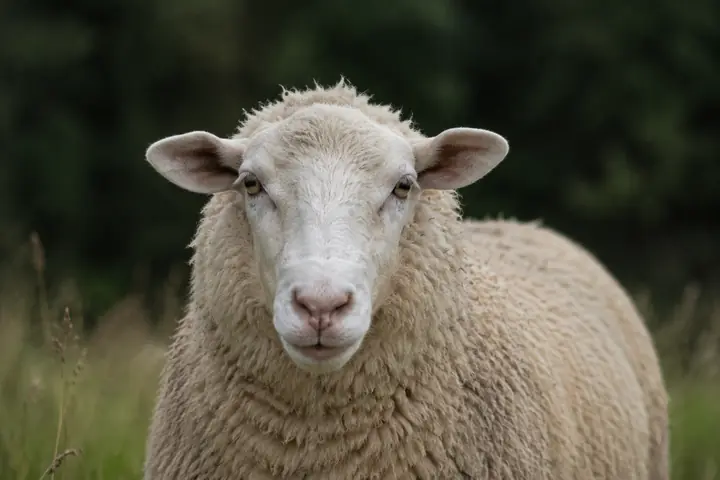
A vegan diet and lifestyle seek, as far as practical, to choose animal-free alternatives in food, clothing, cosmetics, entertainment, labor, and other areas. Animals experience pain, fear, comfort, social bonds, and an interest in continuing their lives. Choosing animal-free alternatives can reflect respect for their bodies, offspring, milk, eggs, skin, wool, feathers, and labor as parts of living beings rather than simply commercial resources.
2. Considering confinement and deprivation
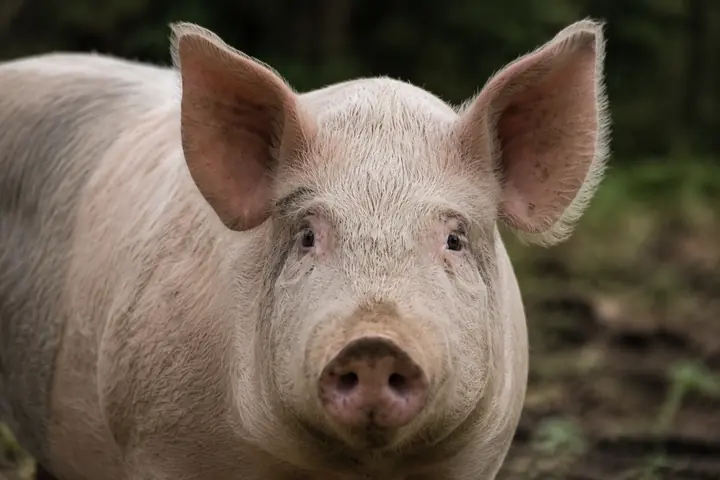
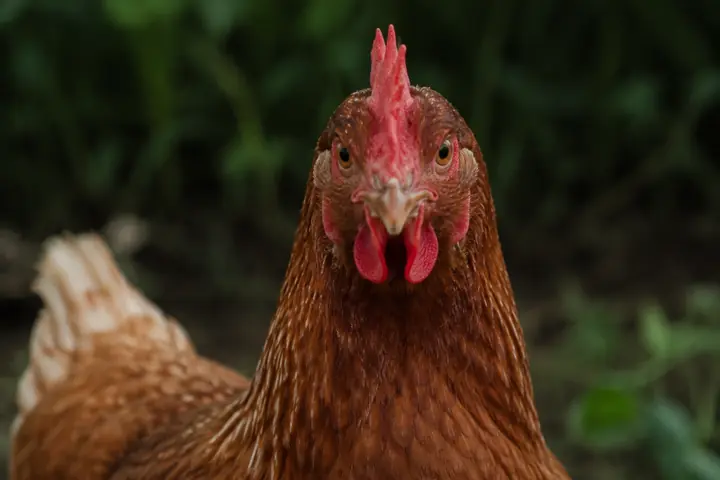
Egg-laying hens may be kept in cages, pregnant pigs in narrow gestation crates, and calves in restrictive housing. Such conditions may limit basic behaviors such as walking, turning around, stretching wings, nesting, foraging, socializing, or caring for young. Overcrowding, isolation, manipulated lighting, forced molting, and poor housing may contribute to injuries, weakened bones, fear, frustration, and abnormal behavior.
3. Considering welfare concerns in dairy and egg production
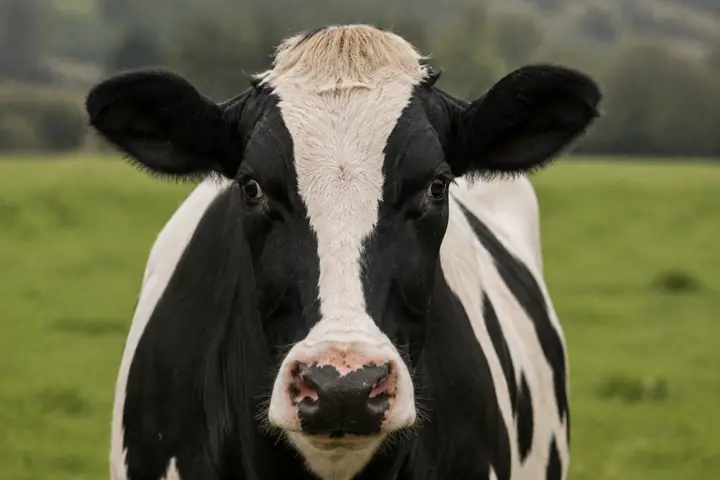
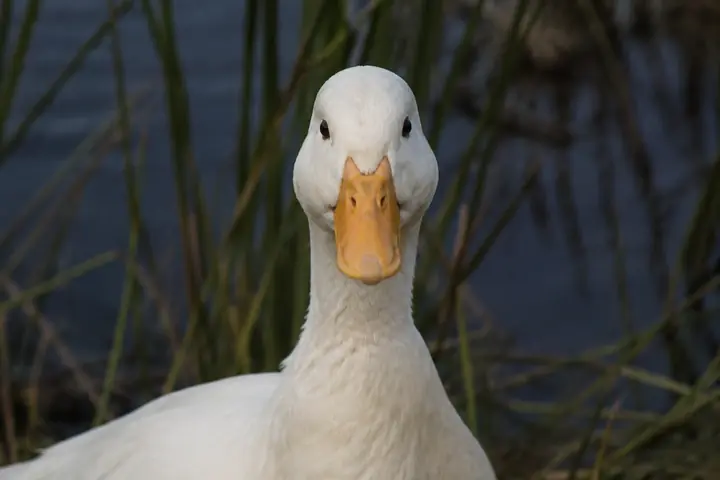
Dairy production generally involves cows becoming pregnant repeatedly, while calves are commonly separated from their mothers. Male calves may be slaughtered or raised for meat, and cows may be slaughtered when milk production declines. In egg production, male chicks are often killed because the industry primarily uses hens for egg laying, while hens may be slaughtered after their productivity falls. Free-range and organic labels may improve certain conditions while still involving breeding, separation, hatchery killing, transport, and premature slaughter.
4. Considering procedures and selective breeding
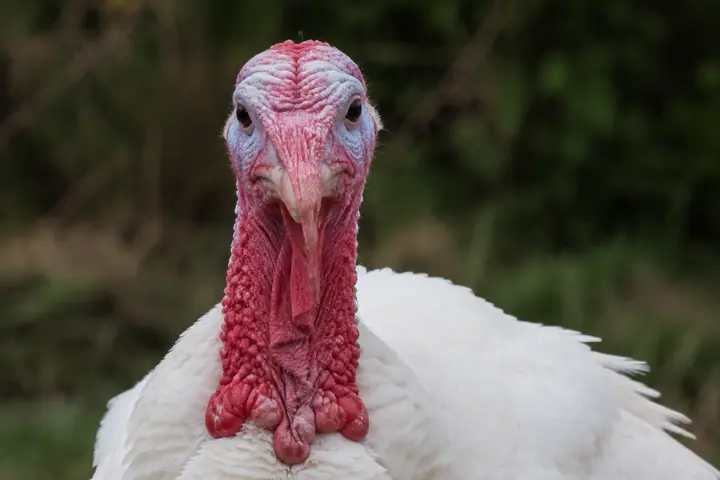
Farmed animals may undergo beak trimming, castration, tail docking, dehorning, branding, and other procedures, sometimes with limited pain relief. Selective breeding can also emphasize traits that create health challenges: chickens may grow too rapidly to support their bodies comfortably, dairy cows may experience mastitis and lameness, and pigs and turkeys may develop skeletal, reproductive, breathing, or cardiovascular problems.
5. Considering transport and slaughter
Animals may be transported for long periods in crowded trucks or ships with limited space, rest, food, water, or protection from extreme weather. Loading, restraint, stunning, and slaughter may involve fear, injury, rough handling, or ineffective stunning. Local, organic, humane, and free-range labels may still involve transport and slaughter.
6. Considering fish and other aquatic animals
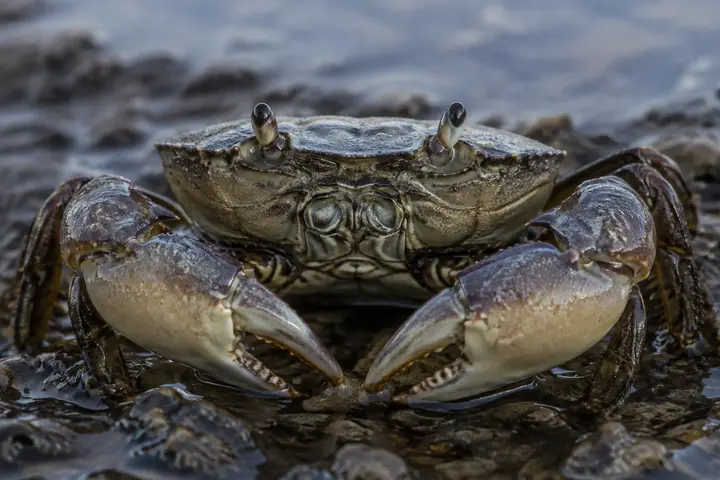
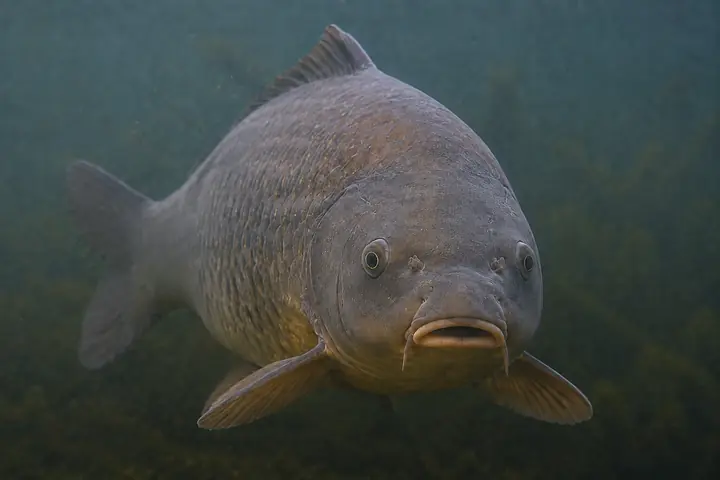
Fish and other aquatic animals can experience pain and distress. Commercial fishing may involve crushing, suffocation, decompression injuries, temperature shock, and prolonged death. Bycatch can result in the deaths of other animals, including turtles, seabirds, dolphins, and sharks. Aquaculture can involve overcrowding, disease, parasites, pollution, stressful handling, and effects on surrounding ecosystems.
7. Considering wildlife, bees, and animals used beyond food
A vegan lifestyle also seeks to reduce reliance on hunting, wildlife farming and trafficking, live-animal trade, fur, leather, wool, feathers, silk, honey, animal testing, and other practices involving animals. Wildlife use can threaten species, affect ecosystems, and bring stressed animals from different environments into unnatural contact. Commercial honey production involves managing bees and harvesting their stored food and may also increase competition with wild pollinators.
8. Everyday choices and broader change
Animal use takes different forms throughout Asia, Africa, Europe, the Americas, the Middle East, and Oceania. Choosing legumes, grains, vegetables, fruits, nuts, seeds, tofu, plant milks, and animal-free products can reduce demand for industries that use animals. These choices can also support stronger animal protections, plant-based businesses, scientific alternatives, institutional change, and food systems that place greater emphasis on animal welfare and respect.
9. Environmental considerations: climate, air, water, land, forests, oceans, and biodiversity
Animal agriculture contributes to methane and other greenhouse-gas emissions, air pollution, manure runoff, groundwater contamination, algal blooms, ocean dead zones, soil degradation, deforestation, and substantial land and water use. Large areas are used for grazing and animal-feed crops. Plant-centered food systems generally require less land and create lower emissions, allowing more space for forests, wildlife, ecosystem recovery, and carbon storage.
10. Food security, resource efficiency, and human health
Feeding crops directly to people is generally more efficient than first feeding them to animals, which consume much of the energy and protein. Plant-centered food systems can reduce pressure on farmland and freshwater, particularly in water-stressed regions. A well-planned vegan diet rich in legumes, whole grains, vegetables, fruits, nuts, and seeds may support healthier weight, cholesterol, blood pressure, blood-sugar control, digestive health, and lower risks of heart disease and type 2 diabetes.
11. Outbreak and antibiotic-resistance considerations
Intensive animal farming can bring large numbers of genetically similar animals together, allowing infections to spread and can be associated with substantial antibiotic use, which contributes to antimicrobial resistance. Live-animal markets, wildlife use, unsafe animal trading, and habitat destruction can bring wildlife, livestock, and humans into closer contact, increasing opportunities for diseases to cross between species. Reducing demand for intensive animal production and wildlife use can lower some of these pressures. Expanding plant-based food systems—together with habitat protection, sanitation, disease surveillance, strong veterinary standards, and responsible antibiotic use—may help reduce some risks of future outbreaks and support human, animal, and environmental health worldwide.
12. Religious perspectives on care for animals
Throughout history, people have often relied on animal foods because of climate, geography, limited cultivation, and the availability of food. Across many religious traditions, teachings encourage kindness, fairness, and responsible treatment of animals. Some religious texts that permit meat consumption can also be read in the context of particular historical and social circumstances, including periods when plant foods were less readily available. From a vegan perspective, these teachings may be understood as encouraging the protection of animals and their habitats and the preservation of their lives once practical alternatives are available.